High-Risk Merchant Accounts: What Acquirers Really Look For
What acquirers assess before onboarding a high-risk merchant – from business model and licensing to chargebacks, marketing practices and ownership – and how to prepare.
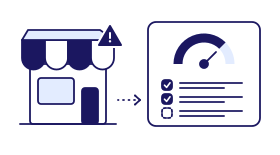
Excerpt: High-risk does not mean unbankable. But it does mean acquirers will look harder. Here is what they check, why, and how to present your business so the answer is yes.
If your business operates in iGaming, betting, forex and CFD trading, crypto, subscription services, dating, nutraceuticals, travel or adult entertainment, you already know the pattern. Applications take longer. Acquirers ask more questions. Some decline without explanation. Others approve with rolling reserves that tie up cash flow for months.
This is not arbitrary. Acquirers carry financial and reputational liability for the merchants they onboard. If a merchant generates excessive chargebacks, commits fraud or breaches card scheme rules, the acquirer absorbs the losses and answers to the schemes. High-risk classifications exist because certain business models statistically generate more of those problems.
The good news is that the assessment follows a logic. Once you understand what an acquirer is looking for, you can prepare for it.
Why some businesses are classified as high-risk
Acquirers and card schemes classify merchants using a combination of factors:
- Chargeback and refund exposure – models where customers frequently dispute transactions, such as subscriptions, free trials or delayed delivery
- Regulatory complexity – activities that require licences which vary by country, such as gambling or investment services
- Fraud exposure – digital goods, high-value transactions and card-not-present sales
- Reputational risk – sectors that attract scrutiny from regulators, media or the schemes themselves
- Future delivery risk – travel bookings, pre-orders and memberships where the customer pays long before receiving the service
Being classified as high-risk is not a verdict on your company. It is a starting point for a more detailed review.
What acquirers assess during onboarding
1. The business model and fund flow The acquirer needs to understand exactly what you sell, to whom, in which countries and how payments move from the cardholder to you. Vague descriptions are one of the most common reasons for delays. A clear, written explanation of your model and fund flow – including any third parties involved – saves weeks.
2. Licensing and legal permission to operate For regulated verticals, the acquirer will ask for evidence that you are licensed in every market you target. An iGaming operator needs valid gambling licences for the relevant jurisdictions. A forex broker needs the appropriate investment services authorisation. Without this, most acquirers cannot proceed, regardless of anything else in the application.
3. Ownership and management Acquirers verify ultimate beneficial owners, directors and key managers. They check for adverse media, sanctions and previous terminations. Card schemes maintain shared databases of terminated merchants, and a previous listing tied to your owners or directors can block onboarding.
4. Processing history If you have processed before, expect to provide several months of statements showing volumes, average transaction values, chargeback ratios and refund rates. A clean history is one of the strongest arguments you can bring. A poor one needs an explanation and evidence of what has changed.
5. Website and customer-facing compliance Acquirers review your website as a cardholder would see it. They look for clear pricing, visible terms and conditions, a refund and cancellation policy, accurate contact details, a privacy policy and a descriptor that customers will recognise on their card statement. For subscriptions, they check that trial terms, renewal dates and cancellation steps are disclosed clearly before purchase.
6. Marketing and affiliate practices This area is often underestimated. Aggressive or misleading advertising, fake reviews, hidden subscription terms and poorly controlled affiliate networks generate disputes and scheme complaints. Acquirers increasingly ask how you acquire customers, which affiliates you work with and how you monitor their content. Marketing agencies and affiliate networks working in high-risk verticals should expect the same questions from their own partners.
7. Fraud and chargeback controls The acquirer wants to see how you prevent fraud and handle disputes: authentication, velocity checks, fraud screening tools, customer service response times, refund handling and chargeback representment. The card schemes run monitoring programmes that flag merchants with excessive dispute or fraud levels, and acquirers will not onboard a merchant they expect to end up in one.
8. AML and KYC for your own customers In verticals such as iGaming, forex and crypto, you are expected to verify your own customers and monitor their activity. The acquirer will ask for your AML policy, risk assessment and onboarding procedures.
Why rolling reserves and limits happen
Even after approval, high-risk merchants often face rolling reserves – a percentage of each settlement held back for a set period – along with processing limits or delayed settlement. These protect the acquirer against future chargebacks and refunds.
Reserves are negotiable to a degree. A strong processing history, low dispute levels, a clear refund policy and a well-documented compliance framework all support a request for lower reserves, shorter holding periods or higher limits. Many acquirers review these terms after a period of stable processing.
How to prepare a strong application
Write down your business model and fund flow before you apply. One or two pages that explain what you do, who your customers are, where they are and how money moves.
Assemble your documents in advance. Corporate documents, UBO details, licences, AML policy, processing statements, financial statements, website screenshots and key policies.
Audit your website against scheme requirements. Fix missing policies, unclear pricing and weak subscription disclosures before the acquirer finds them.
Review your marketing and affiliates. Remove misleading claims, document your affiliate controls and make sure every landing page matches the product you actually sell.
Show your dispute management. Describe how customers can contact you, how refunds are handled and how you respond to chargebacks.
Do not rely on a single acquirer. High-risk businesses benefit more than anyone from having at least one backup processing relationship.
The bottom line
Acquirers do not decline high-risk merchants because of the industry alone. They decline when they cannot understand the business, cannot verify its licences or cannot see how its risks are controlled. A well-prepared application answers those questions before they are asked.
If you are preparing to apply, struggling with rejections or facing reserves that limit your growth, we can review your set-up through an acquirer's eyes and help you present your business in a way partners can approve.